
16 Apr 2025
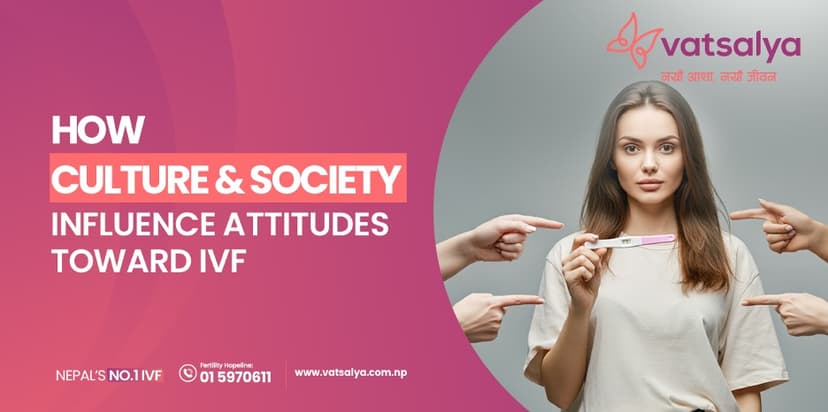
How Culture and Society Influence Attitudes Toward IVF
In-vitro fertilization (IVF) has opened up new possibilities for individuals and couples struggling with infertility. However, cultural and societal attitudes toward IVF vary widely, influenced by religious beliefs, societal norms, family expectations, and personal values. Let’s explore how these factors shape views on IVF and impact those considering fertility treatments.
1. Family Expectations and Societal Norms
In family-centered cultures, parenthood is often seen as a key milestone of adulthood, and there can be strong societal pressure to start a family. For individuals facing infertility, IVF may be seen as a necessary means of fulfilling family expectations. However, there can also be cultural stigma around “assisted” conception, with some viewing IVF as less “natural,” which may lead to feelings of inadequacy among those seeking fertility treatments.
In more individualistic societies, where personal choice is highly valued, IVF is generally more accepted. Here, the emphasis on autonomy allows individuals to pursue IVF without judgment, supporting a culture of openness around fertility options.
2. Stigma and Privacy Concerns
In many cultures, infertility can carry social stigma, leading to feelings of shame or isolation. This can pressure individuals to keep their IVF journey private, fearing judgment or gossip. In communities where fertility is seen as a social expectation, infertility may be misunderstood or stigmatized, creating additional emotional challenges.
Conversely, societies that are more open about medical advancements tend to discuss IVF more freely, helping to normalize the topic and reduce misconceptions.
3. Economic Factors and Access to IVF
The cost of IVF can be a significant barrier, especially in countries where healthcare systems do not cover fertility treatments. In lower-income or developing nations, IVF may be perceived as an option only for the privileged, which can lead to stereotypes that it’s a “luxury” rather than a valid healthcare service.
4. Media and Public Awareness
Media representation of IVF has a powerful impact on public perception. Stories of successful IVF journeys and high-profile individuals sharing their experiences have helped normalize the process and foster a more open dialogue. However, idealized portrayals in the media can sometimes set unrealistic expectations, overlooking the challenges involved in IVF.
Educational efforts around IVF and reproductive health can help demystify the process and improve public understanding, leading to more informed and accepting attitudes.
Shifting Attitudes Towards IVF
Attitudes toward IVF continue to evolve as medical advancements make the treatment more accessible and as society becomes more informed. Today, many communities are moving toward a more open and inclusive view of fertility treatments, embracing the diverse ways families are formed.
For those considering IVF, understanding cultural nuances can help them navigate their journey with confidence and resilience. IVF represents a bridge between tradition and modern medicine, offering new paths to parenthood and hope for individuals and families worldwide.
Cultural Attitudes Toward IVF
IVF Stigma and Social Acceptance
16 Apr 2025
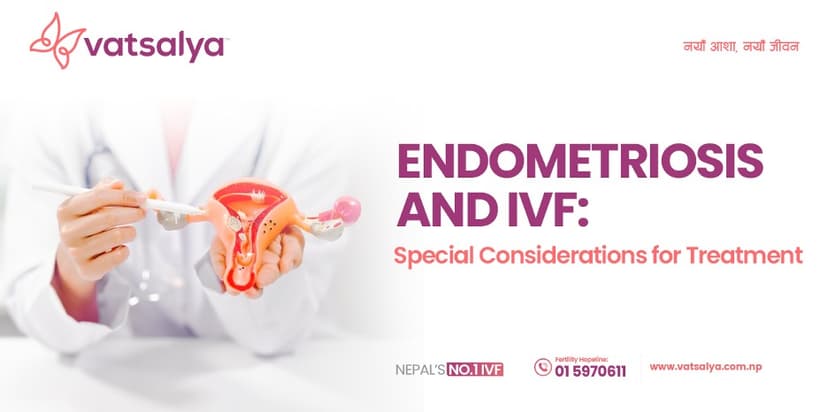
Endometriosis and IVF: Special Considerations for Treatment
Endometriosis is a condition in which tissue similar to the lining of the uterus grows outside the uterus, often causing pain, irregular periods, and, for many, challenges with fertility. For individuals with endometriosis who are trying to conceive, in-vitro fertilization (IVF) can offer a promising solution. However, this condition presents unique challenges that require special consideration to maximize the chances of IVF success. Here’s what to know about the intersection of endometriosis and IVF.
How Endometriosis Impacts Fertility
Endometriosis can interfere with fertility in several ways. The condition often leads to inflammation, scar tissue, and adhesions around the reproductive organs, which may impair the function of the ovaries, fallopian tubes, and uterus. Additionally, endometriosis is associated with hormonal imbalances and may affect egg quality, making it harder to conceive naturally. Understanding these impacts can help guide treatment strategies to improve IVF outcomes.
Key Considerations for IVF in Endometriosis Patients
Given the complexities of endometriosis, IVF protocols may need to be carefully tailored. Here are some important considerations for individuals with endometriosis undergoing IVF:
1. Pre-IVF Treatment to Manage Inflammation
Endometriosis is often accompanied by chronic inflammation, which can affect the uterine environment and reduce the likelihood of embryo implantation. In some cases, doctors may recommend a course of medications to reduce inflammation or regulate hormones before starting IVF. For example, using gonadotropin-releasing hormone (GnRH) agonists or antagonists for a few months before the IVF cycle may help suppress endometriosis activity, potentially improving the chances of implantation.
2. Surgery to Remove Endometriotic Lesions
For some individuals with moderate to severe endometriosis, surgery to remove endometriotic lesions, scar tissue, or ovarian cysts (endometriomas) may be beneficial before IVF. Studies suggest that laparoscopic surgery to remove these lesions can help improve fertility outcomes. However, the decision to pursue surgery should be made carefully, as repeated ovarian surgeries can reduce ovarian reserve. It’s essential to weigh the benefits and potential risks with a fertility specialist.
3. Adjusting Ovarian Stimulation Protocols
Endometriosis can impact ovarian response to stimulation, meaning that individuals with this condition may respond differently to IVF medications. In some cases, higher doses of stimulation drugs may be required to ensure an adequate number of eggs are retrieved. A tailored stimulation protocol can help achieve the right balance of egg quantity and quality, maximizing the likelihood of success in individuals with endometriosis.
4. Considering Embryo Freezing and Delayed Transfer
To improve implantation chances, some doctors recommend freezing embryos and delaying transfer. This approach, known as a “freeze-all” cycle, allows the body to recover from the stimulation medications, reducing inflammation and creating a more receptive environment for the embryo. With endometriosis, where inflammation can be high, a frozen embryo transfer (FET) in a subsequent cycle may improve success rates over a fresh transfer.
5. Hormonal Support for Uterine Receptivity
Endometriosis can affect the uterine lining, making it less receptive to embryo implantation. To enhance uterine receptivity, fertility specialists may recommend additional hormonal support, such as estrogen or progesterone supplementation, before and during the embryo transfer. This approach can help create an optimal environment for the embryo, increasing the chances of successful implantation.
Lifestyle and Support Strategies for Better IVF Outcomes
Beyond medical interventions, lifestyle factors can also play a supportive role in IVF success for individuals with endometriosis. A few key strategies include:
Anti-Inflammatory Diet: A diet rich in antioxidants and anti-inflammatory foods, such as fruits, vegetables, whole grains, and omega-3 fatty acids, may help reduce inflammation associated with endometriosis.
Stress Management: Managing stress through mindfulness, meditation, or gentle physical activities like yoga can positively impact hormonal balance and overall wellbeing, which may, in turn, support reproductive health.
Support Networks: Endometriosis and IVF can both be physically and emotionally challenging. Building a strong support system, whether through friends, family, or support groups, can provide essential emotional support during this journey.
Looking Ahead: Hope and Possibilities
Vatsalya IVF has offered hope to many individuals with endometriosis who might otherwise struggle to conceive. Although endometriosis can complicate the fertility journey, advancements in IVF treatment and personalized protocols have made it possible to achieve positive outcomes. For those facing endometriosis, working closely with an experienced fertility specialist who understands the condition and its impact on fertility is crucial. With a tailored approach, patience, and support, the journey to parenthood with endometriosis can be one filled with hope and possibility.
Endometriosis and IVF
Fertility Treatment Strategies
16 Apr 2025
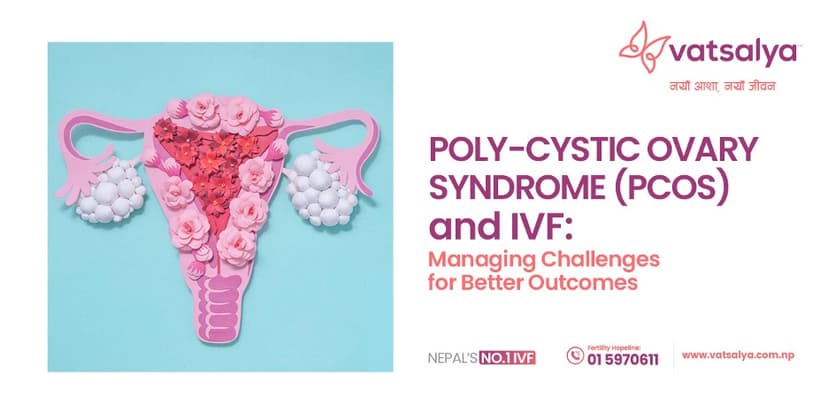
Poly-Cystic Ovary Syndrome (PCOS) and IVF: Managing Challenges for Better Outcomes
Poly-Cystic Ovary Syndrome (PCOS) is one of the most common hormonal disorders affecting women of reproductive age, with symptoms ranging from irregular periods and excess androgen levels to ovarian cysts. For individuals with PCOS, trying to conceive can be a complex journey, as PCOS often impacts fertility. When traditional methods of conception are challenging, in-vitro fertilization (IVF) offers a viable pathway. However, managing PCOS effectively throughout the IVF process is essential for optimizing outcomes. Here’s how PCOS affects IVF and the best ways to address these challenges.
Understanding the Impact of PCOS on IVF
PCOS can complicate the IVF process in multiple ways. From ovarian stimulation and egg quality to implantation rates, the condition presents unique challenges that must be carefully managed.
1. Ovarian Stimulation and Risk of Hyperstimulation
Women with PCOS tend to have a higher-than-normal number of follicles in their ovaries, which can lead to an exaggerated response during ovarian stimulation in IVF. This increases the risk of ovarian hyperstimulation syndrome (OHSS), a potentially serious condition that causes ovaries to swell and can result in abdominal pain, bloating, and even hospitalization in severe cases. Close monitoring and adjusting medication dosage are essential to prevent this risk.
2. Egg Quality and Quantity
While women with PCOS often produce a higher number of eggs, the quality of these eggs may be compromised due to hormonal imbalances. High androgen levels, common in PCOS, can impair egg development, affecting fertilization rates and embryo quality. Focusing on lifestyle changes and specific treatment plans can help improve the quality of eggs retrieved during IVF.
3. Implantation Challenges
PCOS can affect the endometrial lining, potentially making it less receptive to embryo implantation. An irregular or thin uterine lining can reduce the likelihood of successful implantation. For women with PCOS undergoing IVF, doctors may recommend medications or other strategies to support endometrial thickness and receptivity.
4. Increased Risk of Pregnancy Complications
Pregnancy complications such as gestational diabetes, hypertension, and miscarriage are more common in women with PCOS. Proactive management of these risks with regular monitoring and a tailored treatment approach is crucial for a safe pregnancy journey.
Strategies to Manage PCOS for Better IVF Outcomes
Despite these challenges, a range of effective strategies can significantly improve IVF success rates for women with PCOS.
1. Weight Management and Lifestyle Changes
For many individuals with PCOS, weight management plays a key role in regulating hormones and improving fertility. Regular exercise, a balanced diet, and adequate sleep can help manage insulin levels and androgen production, ultimately enhancing ovarian function. Losing even a small percentage of body weight may improve IVF outcomes by balancing hormone levels and improving egg quality.
2. Tailored Medication Protocols
To mitigate the risk of ovarian hyperstimulation, fertility specialists often adopt a low-dose stimulation protocol for women with PCOS. Medications are carefully adjusted, and an agonist trigger (instead of the typical hCG trigger) may be used to reduce OHSS risk. This tailored approach helps balance the need for egg production without overwhelming the ovaries.
3. Pre-Treatment with Medications
To prepare the body for IVF, doctors may recommend pre-treatment with medications like birth control pills or metformin, which can regulate menstrual cycles and improve insulin sensitivity. In many cases, metformin is used to reduce insulin resistance in women with PCOS, enhancing the body’s response to fertility treatments and promoting better outcomes during IVF.
4. Monitoring Hormonal Levels and Ovarian Health
Regular monitoring of hormone levels, including androgens and insulin, is critical for women with PCOS undergoing IVF. Blood tests and ultrasounds help doctors track how the body responds to treatment, ensuring that any adjustments needed to optimize health and reduce risks are made promptly.
5. Stress Management and Emotional Support
Fertility treatment can be physically and emotionally challenging, especially for individuals with PCOS. Practices such as yoga, meditation, and counseling can help manage stress, which can in turn improve hormonal balance and IVF success rates. Building a support system, both personal and professional, can provide comfort and resilience throughout the process.
A Holistic Approach for IVF Success with PCOS
While PCOS can pose challenges, a tailored and well-rounded approach significantly improves the chances of IVF success. Proactive management, combining medical intervention with lifestyle adjustments, can lead to better egg quality, reduced risk of complications, and higher chances of implantation. Women with PCOS can achieve successful IVF outcomes with careful planning, regular monitoring, and comprehensive support.
Conclusion
By understanding the unique challenges PCOS brings to IVF and implementing a personalized approach, individuals can take steps toward overcoming these obstacles and moving closer to parenthood. With the right support from our doctors, the journey to conception with PCOS can be made smoother and more hopeful.
IVF success with PCOS
Managing PCOS in fertility treatment
16 Apr 2025
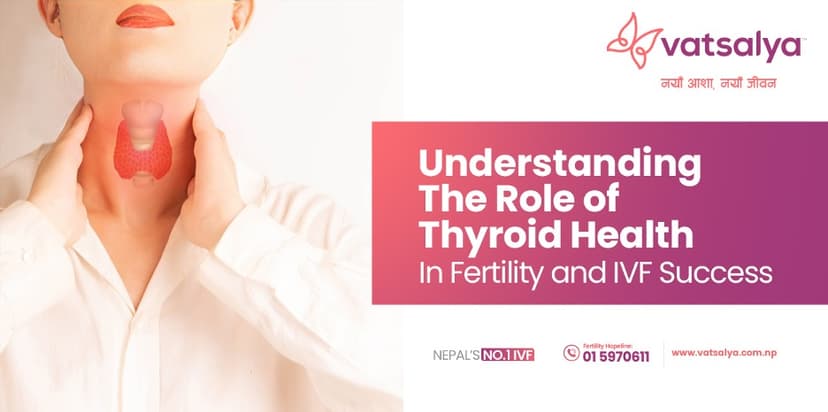
Understanding the Role of Thyroid Health in Fertility and IVF Success
The thyroid gland, though small, plays a powerful role in our overall health, particularly when it comes to fertility. For individuals embarking on the journey toward parenthood, either naturally or through assisted reproductive technologies like IVF, maintaining optimal thyroid health is key. Let’s explore why thyroid health matters in fertility, and how it impacts the success rates of IVF.
Why Thyroid Health Matters for Fertility
The thyroid gland, a small but crucial organ at the base of the neck, produces hormones that regulate metabolism, body temperature, and growth. These hormones—primarily thyroxine (T4) and triiodothyronine (T3)—directly influence reproductive health. An imbalance in thyroid function can disrupt menstrual cycles, impair ovulation, and increase the risk of miscarriage, making optimal thyroid health essential for fertility.
1. Regulating Menstrual Cycles and Ovulation:
A well-functioning thyroid ensures regular menstrual cycles, which is crucial for natural conception. Hypothyroidism, or low thyroid function, can disrupt the menstrual cycle, leading to irregular or absent periods. This, in turn, can prevent regular ovulation and create barriers to conception.
2. Hormonal Balance and Pregnancy Health:
Thyroid hormones help regulate other hormones involved in the reproductive system, including estrogen and progesterone. Imbalances in these hormones may affect the uterine lining, making it less receptive for embryo implantation—a crucial factor in both natural conception and IVF.
Thyroid Health and IVF Success
During IVF, achieving the right hormonal balance is even more crucial. An optimal thyroid hormone level can enhance the receptivity of the endometrial lining, improving the chances of embryo implantation and successful pregnancy outcomes. Conversely, thyroid imbalances may reduce the effectiveness of IVF and increase the risk of early pregnancy loss.
1. Impact on Ovarian Stimulation:
IVF treatments begin with controlled ovarian stimulation to produce multiple eggs. Thyroid dysfunction, especially hypothyroidism, can lead to poor ovarian response, resulting in fewer eggs being retrieved. With fewer eggs, the chances of selecting a high-quality embryo decrease, thereby impacting the success of IVF.
2. Risk of Pregnancy Complications:
Uncontrolled thyroid levels can lead to pregnancy complications such as preterm birth, low birth weight, and even miscarriage. Regular thyroid monitoring and treatment for those undergoing IVF can help mitigate these risks, fostering a safer environment for both the mother and the developing baby.
Managing Thyroid Health for Fertility and IVF Success
If you’re considering IVF or are struggling with fertility, thyroid testing is often one of the first steps recommended by reproductive specialists. Here’s what can be done to maintain optimal thyroid health:
1. Routine Screening and Monitoring:
Before starting IVF or other fertility treatments, consider undergoing thyroid function tests. Thyroid-stimulating hormone (TSH) levels should ideally be kept within a specific range (usually between 1-2.5 mIU/L) for optimal reproductive outcomes.
2. Treatment for Thyroid Imbalances:
For those with hypothyroidism, thyroid hormone replacement therapy can restore levels to a range conducive to fertility. Hyperthyroidism, on the other hand, may require medication or other interventions to balance hormone levels effectively.
3. Lifestyle and Dietary Changes:
Maintaining a balanced diet rich in iodine, selenium, and zinc supports thyroid health. Reducing stress through yoga, meditation, and other relaxation techniques can also improve thyroid function, as stress hormones impact thyroid hormone production.
4. Close Monitoring During Pregnancy:
For those who achieve pregnancy, continued thyroid monitoring is essential. Pregnancy can increase the body’s demand for thyroid hormones, and adjustments in medication may be needed to keep both mother and baby healthy.
Conclusion
The connection between thyroid health and fertility highlights the complexity of the human reproductive system. A small imbalance in thyroid function can have far-reaching effects on fertility and IVF outcomes. By addressing thyroid health early, individuals can improve their chances of conception and enjoy a healthier pregnancy journey. If you’re on your fertility journey or preparing for IVF, consult your doctor about thyroid testing and management. Prioritizing thyroid health could be the essential step toward realizing your dreams of parenthood.
IVF and thyroid function
Thyroid and fertility connection
16 Apr 2025
Male Factor Infertility
Know: How IVF Can Help Overcome the Challenges
Infertility is a deeply personal and emotional journey for many couples, and male factor infertility plays a significant role in about 40-50% of cases. This form of infertility includes conditions like low sperm count, poor sperm motility, abnormal morphology, or blockages that prevent sperm from reaching the egg. At Vatsalya Natural IVF, we specialize in helping couples facing male infertility overcome these challenges through advanced fertility treatments, particularly In Vitro Fertilization (IVF).
What is Male Factor Infertility?
Male factor infertility refers to issues related to sperm production or delivery that affect the ability to conceive. The most common causes include:
Low Sperm Count: A lower-than-normal sperm count can reduce the likelihood of fertilizing an egg.
Poor Sperm Motility: Sperm may struggle to swim efficiently toward the egg, reducing the chances of fertilization.
Abnormal Sperm Morphology: Misshapen or structurally abnormal sperm may have difficulty penetrating the egg.
Blockages: Physical obstructions in the male reproductive system can prevent sperm from being ejaculated.
How IVF Helps Overcome Male Infertility Challenges
IVF, combined with advanced techniques, has revolutionized the treatment of male infertility. Here’s how it works:
Intracytoplasmic Sperm Injection (ICSI): One of the most successful methods for addressing male infertility is ICSI. This technique involves injecting a single, healthy sperm directly into the egg, bypassing many issues like low sperm count, poor motility, or abnormal morphology. ICSI significantly increases the chances of successful fertilization, even in cases of severe male infertility.
Sperm Retrieval Techniques: For men facing ejaculation difficulties or blockages, surgical sperm retrieval methods such as Testicular Sperm Aspiration (TESA) or Percutaneous Epididymal Sperm Aspiration (PESA) can be used. These techniques allow the collection of viable sperm directly from the testes or epididymis for use in IVF.
Sperm Donation: In cases where viable sperm cannot be retrieved, sperm donation offers another path to parenthood. With IVF, donor sperm can be used to fertilize the egg and achieve pregnancy.
Pre-implantation Genetic Testing (PGT): IVF also allows for genetic screening of embryos before implantation. This ensures that only healthy embryos are transferred, reducing the risk of genetic abnormalities, especially in cases related to male infertility.
Why Choose Vatsalya for Male Infertility Treatment?
At Vatsalya Natural IVF, we understand the complexities and emotional toll of male infertility. Our expert team of fertility specialists employs cutting-edge technologies like IVF and ICSI to give couples the best chance at conceiving. With a high success rate of 73%, our patient-centered approach ensures that we address each couple’s unique needs, offering the support and guidance they deserve throughout their fertility journey.
Moving Forward: Hope with IVF
Male infertility doesn’t have to be the end of your dream to start a family. With modern advancements in IVF and specialized treatments like ICSI, couples can overcome even the most challenging obstacles. At Vatsalya, we are here to provide the expertise, care, and hope you need to make your dream of parenthood a reality.
IVF for male infertility
ICSI treatment
15 Apr 2025
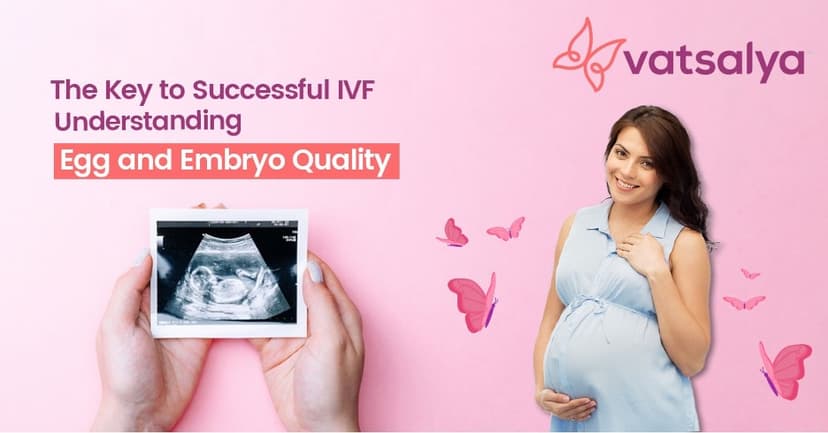
The Key to Successful IVF: Understanding Egg and Embryo Quality
How does the quality of eggs and embryos impact the success of IVF treatments? Experts Insights
In the journey of In Vitro Fertilization (IVF), one of the most critical factors contributing to success is the quality of eggs and embryos. The ability to achieve pregnancy through IVF centers on the health of these vital components. While advanced techniques and skilled fertility specialists play an important role, the condition of eggs and embryos can make or break the process.
Let’s inquire into the importance of egg and embryo quality in IVF, and how it influences the outcome of fertility treatments.
What is Egg Quality?
Egg quality refers to the viability of an egg to develop into a healthy embryo. A high-quality egg has the potential to fertilize successfully and divide into a healthy embryo capable of implantation in the uterus. The quality of eggs tends to decline with age, especially after the age of 35, and is also influenced by lifestyle factors such as stress, diet, and environmental exposures.
Key Factors Affecting Egg Quality:
Age: As women age, the number and quality of their eggs decrease. Women under 35 have a better chance of retrieving higher-quality eggs.
Chromosomal Abnormalities: Poor egg quality can lead to chromosomal abnormalities, making it difficult for the embryo to develop properly.
Lifestyle Factors: Smoking, excessive alcohol consumption, and poor diet can negatively affect egg quality.
What is Embryo Quality?
Embryo quality refers to the ability of a fertilized egg to grow and divide into a healthy blastocyst. Embryos are graded based on their appearance and development, which provides a prediction of how likely they are to implant in the uterus and result in a healthy pregnancy.
How to Improve Egg and Embryo Quality
Although age is a significant factor in egg quality, there are ways to improve both egg and embryo quality:
Optimize Diet: A diet rich in antioxidants, Omega-3 fatty acids, and vitamins can support better reproductive health.
Manage Stress: Reducing stress through yoga, meditation, or mindfulness can have a positive impact on egg quality.
Avoid Toxins: Limiting exposure to environmental toxins, such as tobacco smoke and alcohol, can protect egg health.
Consult with a Specialist: Regular check-ups and personalized treatments with an IVF specialist can help identify potential issues with egg or embryo quality early on.
The Role of Advanced IVF Techniques
In recent years, innovations like Preimplantation Genetic Testing (PGT) and Intracytoplasmic Sperm Injection (ICSI) have improved success rates by identifying high-quality embryos and enhancing fertilization techniques. These methods allow fertility specialists to select the best embryos for transfer, increasing the likelihood of pregnancy.
Conclusion
Understanding and optimizing egg and embryo quality is key to improving the chances of IVF success. By focusing on lifestyle changes, personalized care, and utilizing advanced reproductive technologies, individuals undergoing IVF can enhance their outcomes. Whether you’re just beginning your fertility journey or already navigating IVF treatments, consulting with your fertility experts can help provide valuable insights into how egg and embryo quality can affect your chances of a healthy pregnancy.
Egg and embryo quality
IVF success factors
15 Apr 2025
IVF in Nepal: Navigating Challenges, Celebrating Success, and Embracing Future Trends
The journey of In Vitro Fertilization (IVF) in Nepal has emerged as a powerful narrative of hope for couples grappling with infertility. At Vatsalya, we are dedicated to not only advancing reproductive health services but also fostering dialogue around the intricacies of IVF. This post delves into the challenges we face, shares inspiring success stories, and highlights the trends shaping the future of IVF in our country.
Challenges in IVF
Societal Stigma: Infertility often carries a heavy stigma in many communities, discouraging couples from seeking necessary medical support. Overcoming these societal barriers is essential for creating an environment where individuals feel empowered to pursue treatment without fear of judgment.
Limited Awareness and Accessibility: Despite growing awareness, many couples still lack a clear understanding of the available fertility treatments. Furthermore, access to high-quality IVF clinics is often limited, particularly in rural regions, which can delay critical interventions.
Financial Constraints: The cost of IVF can be daunting for many families. With limited insurance coverage for fertility treatments, couples may face significant financial hurdles, emphasizing the need for more affordable options and broader insurance support.
Cultural Influences: Deep-rooted cultural beliefs can influence decisions around fertility treatments. It is vital to educate communities about the science of IVF and its potential to transform lives, helping to dismiss myths and encourage informed decision-making.
Inspiring Success Stories
At Vatsalya, we have been privileged to witness numerous success stories that illuminate the resilience of those on the fertility journey. One standout story involves a couple who, after experiencing multiple unsuccessful attempts at natural conception, turned to our clinic. Through our personalized IVF treatment plan, they welcomed their first child, a moment that transformed their lives and filled them with joy.
Another remarkable case is that of a woman battling Polycystic Ovary Syndrome (PCOS). After receiving tailored care and IVF treatment at Vatsalya, she joyfully welcomed twins into her family. Her journey underscores the importance of individualized care in achieving successful outcomes in fertility treatment.
Promising Future Trends
The future of IVF in Nepal is bright, driven by several emerging trends that promise to enhance patient care:
Technological Innovations: Advances in technology, including preimplantation genetic testing (PGT) and artificial intelligence (AI), are revolutionizing IVF practices. These innovations improve success rates and enable more personalized treatment strategies.
Enhanced Accessibility: Ongoing efforts to expand access to fertility clinics, especially in remote areas, are essential. Collaborations between healthcare providers and community organizations can facilitate outreach initiatives that educate and empower couples facing infertility.
Holistic Care Approaches: Acknowledging the psychological aspects of infertility is becoming increasingly important. Clinics are adopting holistic care models that incorporate counseling, support groups, and wellness programs, ensuring comprehensive support for patients.
Policy Advocacy: As awareness of infertility grows, there is a collective push for policy changes that support fertility treatments. Advocating for insurance coverage and financial assistance for IVF can significantly ease the burden on couples seeking help.
Conclusion
At Vatsalya, we are committed to providing compassionate care and advancing reproductive health in Nepal. By sharing stories of hope, addressing the challenges faced, and embracing the trends shaping the future of IVF, we can help create a more inclusive community for individuals and couples seeking to realize their dreams of parenthood. Together, let’s make IVF a viable and accessible option for all who seek it.
IVF diet tips
Fertility-friendly foods
15 Apr 2025
IVF and Nutrition : Fertility-Boosting Diet Tips for Your Journey
Nutrition is one of the most supportive tools on your IVF journey, and a balanced diet enhances fertility and increases the chances of a successful IVF cycle. Small dietary changes can make a big difference, not only for IVF outcomes but also for your overall well-being. Let’s dive into some easy and effective diet tips that can enhance fertility and support you through each stage of treatment.
1. Focus on Antioxidant-Rich Foods
Antioxidants play a powerful role in protecting reproductive cells from damage. Vitamins C and E, folate, and zinc help maintain healthy eggs and sperm by reducing oxidative stress. Including a variety of antioxidant-rich foods in your diet can naturally support your body’s reproductive health.
Foods to Try: Strawberries, leafy greens, nuts, broccoli, beets, dark chocolate, green tea, and beans.
2. Choose Lean Proteins and Plant-Based Alternatives
Protein supports hormone production and is essential for a healthy reproductive system. Red meats and processed options (like bacon or sausages) are often high in saturated fats, which can disrupt hormonal balance and may raise inflammation levels. Lean protein sources like chicken, turkey, and fish provide necessary nutrients without the added saturated fats found in red meat. Plant-based proteins, such as lentils, chickpeas, and quinoa, also offer protein and fibre, promoting stable blood sugar levels and a balanced reproductive environment.
Foods to Try: Lentils, chickpeas, eggs, tofu, quinoa, and lean poultry.
3. Choose Whole Grains Over Refined Carbohydrates
Refined carbs like pasta, bread and pastries can be comforting but they can also cause blood sugar spikes that disrupt hormones. Instead switch to whole grains that are packed with nutrients, including B vitamins, which play a key role in hormone regulation. Unlike refined carbs, whole grains help stabilize blood sugar levels, which is essential for balanced insulin and hormonal function.
Foods to Try: Brown rice, oats, barley, and whole-grain bread.
4. Choose Healthy Fats in Place of Trans Fats
Trans fats, found in fried and processed foods, are linked to inflammation and can negatively impact fertility. Healthy fats, especially omega-3s, support hormone balance, improve blood flow, and may enhance embryo implantation.
Foods to try: Salmon, walnuts, flaxseeds, chia seeds, avocado, and olive oil
5. Focus on Folate-Rich Foods
Folate (or vitamin B9) is crucial for early pregnancy development and cell division. Increasing your folate intake before and during IVF can lower the risk of certain birth defects and support healthy fetal development. It’s easy to rely solely on supplements, but folate from food is absorbed effectively and can be part of a balanced, delicious diet. Leafy greens, legumes, and fortified grains bring this essential nutrient right to your plate.
Foods to Try: Spinach, kale, asparagus, lentils, and fortified cereals.
Nutrition doesn’t have to be a chore, even during IVF. By making small adjustments to the foods you already love, you’re not just supporting your fertility but also enjoying the flavors and textures that make eating such a joy. Making intentional swaps in your diet can nurture a healthier environment for conception and boost your chances with IVF. Reach out to learn more about how dietary guidance can align with your fertility goals.
IVF diet tips
Fertility-friendly foods
15 Apr 2025
IVF for Women Over 30: What Are the Success Rates and Risks?
The journey toward parenthood can look different for everyone, and for many women over 30, IVF offers a promising option. However, it’s natural to have questions about how age affects success rates and what specific risks may come into play. Let’s explore the insights on IVF for women over 30 to help you make an informed decision.
Success Rates for Women in Their 30s
While IVF success rates can vary based on individual factors, women in their early 30s generally experience favourable outcomes, with success rates comparable to younger age groups. However, as a woman gets closer to the age of 40, success rates may gradually decline. This is mainly due to a natural reduction in egg quantity and quality, both of which play a significant role in achieving a successful pregnancy.
Common Risks Associated with IVF Over 30
IVF is generally safe, but as age increases, some risks can become more pronounced. Here are a few considerations:
Decreased Egg Quality: With age, egg quality naturally declines, which can impact embryo viability. This is a common reason for why IVF cycles may sometimes require multiple attempts to achieve success.
Increased Chance of Chromosomal Abnormalities: Women over 35 face a slightly higher risk of chromosomal abnormalities in embryos. Genetic testing options, such as PGT, help address this by allowing embryologists to select healthy embryos, reducing the chance of certain genetic issues.
Higher Likelihood of Multiple Births: For older women, transferring multiple embryos can increase the likelihood of twins or triplets. While some may see this as a positive, it can also heighten pregnancy-related risks. However, here at Vatsalya, we prioritize single-embryo transfers where appropriate to help balance success rates with health.
Pregnancy Complications: Age can increase the risk of pregnancy complications like gestational diabetes and preeclampsia. These risks can be managed through monitoring and tailored care, and most women in their 30s still go on to have healthy pregnancies and babies.
Steps to Boost IVF Success After 30
To enhance your chances with IVF, it’s essential to take proactive steps:
IVF can be a highly effective solution for women over 30 seeking to grow their families. While certain age-related risks exist, advancements in reproductive technology and tailored care allow women to pursue successful pregnancies at various stages of their 30s. If you’re exploring IVF or have questions about age and fertility, our dedicated team at Vatsalya is here to support and guide you every step of the way.
IVF after 30
Fertility treatment
© 2025 Vatsalya. All Rights Reserved