

Advanced IVF Care You Can Trust.
%20(1).png&w=1920&q=70)
Vatsalya Natural IVF offers advanced IVF technology, affordable IVF treatment, and complete fertility care under one roof — trusted as one of the best IVF centers in Nepal.
5000+
Successful IVF Treatments
20+
Expert Specialists
15+
Years of Care
What we Offer
Trusted IVF Specialists Providing Personalized Fertility Care

Infertility Treatment
Finding out that you and your partner are unable to carry the family legacy can be upsetting, daunting and agonizing. But remember you are not alone, as plenty of Nepalese couple faces the situation of infertility despite frequent unprotected intercourse for years.
Infertility may result when a woman is unable to conceive or carry a pregnancy for long-term or when a male member fails to produce quality sperms. Fortunately, several safe and effective therapies improve the chances of getting pregnant and building your family. Followed by a few investigations and tests, the infertility specialist can provide appropriate recommendation for the male and female infertility treatment. It might be regulating hormones with certain drugs or choosing from some Assisted Reproductive Technologies (ART). IUI, IVF, IVF with ICSI are few common fertility treatments provided to infertile couples.

Antenatal Checkup
Prenatal care, also known as antenatal care, is a type of preventive healthcare. Its goal is to provide regular check-ups that allow doctors to treat and prevent potential health problems throughout the course of the pregnancy and to promote healthy lifestyles that benefit both mother and child. A proper antenatal check-up provides necessary care to the mother and helps identify any complications of pregnancy such as anemia, pre-eclampsia and hypertension etc. in the mother and slow/inadequate growth of the fetus.

Infertility Diagnosis
Infertility generally occurs when the couple fail to conceive despite regular inter course of more than 12 months without using any birth controls. It may be that one partner who is unable to hold pregnancy for 9 months or the other one who cannot contribute to conception.
Among the 60 million couple diagnosed with infertility, the majority are from the developing countries. Negative causes of secondary infertility and reproductive outcomes are basically from an unhealthy lifestyle such as obesity, poor diet, excessive stress, late marriage, frequent abortion, drinking and smoking.

Fertility Preservation
The desire to give birth to your child has become an increasing real option for the patients surviving cancer treatment or under-going different medical therapies. With the introduction of fertility preservation, the couple today have started taking up the decision of late pregnancy.
While on the other hand, women go for fertility preservation for several reasons including damage to ovaries or due to constant exposure to toxic chemicals, while men take the treatment if wanting to go for vasectomy procedures or any other radiated treatment.
Hence, preserving a protective tissue through fertility preservation can prevent the scenario of child-bearing delays and its associated complications.
Infertility Treatment
Finding out that you and your partner are unable to carry the family legacy can be upsetting, daunting and agonizing. But remember you are not alone, as plenty of Nepalese couple faces the situation of infertility despite frequent unprotected intercourse for years.
Infertility may result when a woman is unable to conceive or carry a pregnancy for long-term or when a male member fails to produce quality sperms. Fortunately, several safe and effective therapies improve the chances of getting pregnant and building your family. Followed by a few investigations and tests, the infertility specialist can provide appropriate recommendation for the male and female infertility treatment. It might be regulating hormones with certain drugs or choosing from some Assisted Reproductive Technologies (ART). IUI, IVF, IVF with ICSI are few common fertility treatments provided to infertile couples.
Antenatal Checkup
Prenatal care, also known as antenatal care, is a type of preventive healthcare. Its goal is to provide regular check-ups that allow doctors to treat and prevent potential health problems throughout the course of the pregnancy and to promote healthy lifestyles that benefit both mother and child. A proper antenatal check-up provides necessary care to the mother and helps identify any complications of pregnancy such as anemia, pre-eclampsia and hypertension etc. in the mother and slow/inadequate growth of the fetus.

Infertility Diagnosis
Infertility generally occurs when the couple fail to conceive despite regular inter course of more than 12 months without using any birth controls. It may be that one partner who is unable to hold pregnancy for 9 months or the other one who cannot contribute to conception.
Among the 60 million couple diagnosed with infertility, the majority are from the developing countries. Negative causes of secondary infertility and reproductive outcomes are basically from an unhealthy lifestyle such as obesity, poor diet, excessive stress, late marriage, frequent abortion, drinking and smoking.
Fertility Preservation
The desire to give birth to your child has become an increasing real option for the patients surviving cancer treatment or under-going different medical therapies. With the introduction of fertility preservation, the couple today have started taking up the decision of late pregnancy.
While on the other hand, women go for fertility preservation for several reasons including damage to ovaries or due to constant exposure to toxic chemicals, while men take the treatment if wanting to go for vasectomy procedures or any other radiated treatment.
Hence, preserving a protective tissue through fertility preservation can prevent the scenario of child-bearing delays and its associated complications.
Who are we
Turning hope into Happiness
.jpg&w=750&q=75)
We are more than just a fertility center—we are a beacon of hope for families longing to grow. With cutting-edge technology and compassionate care, we guide you through every step of your fertility journey, ensuring unwavering support and expert medical attention.
From fertility consultations to advanced treatments like IVF and IUI, we provide personalized care tailored to your journey. With cutting-edge technology and a team that truly cares, we turn possibilities into parenthood, one success story at a time.

WHAT DO WE DO
Creating paths to parenthood
MEET OUR IVF EXPERTS
Experienced IVF Experts Delivering Compassionate Fertility Care





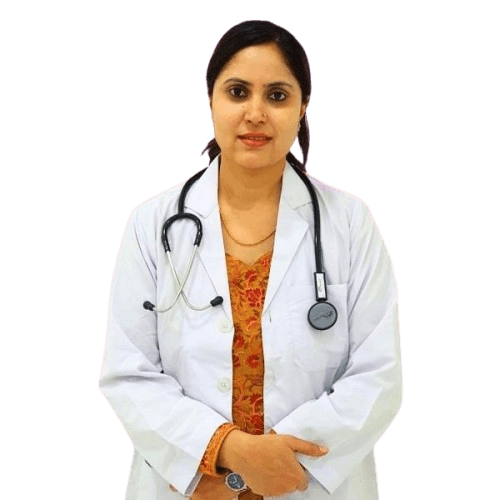






Dr. Nija Rajbhandari
Senior IVF Consultant
Dr. Nija Raj Bhandari is a Senior IVF Consultant at Vatsalya Natural IVF, Kathmandu, Nepal, with over 12 years of experience in infertility and reproductive medicine. She specializes in helping couples overcome fertility challenges through advanced, evidence-based fertility treatments and personalized care.
Dr. Bhandari has extensive experience in managing complex and high-risk fertility cases, including recurrent IVF failure, multiple failed IVF cycles, recurrent pregnancy loss, low AMH, poor ovarian reserve, PCOS, male factor infertility, unexplained infertility, and advanced maternal age. Her expertise includes IVF, ICSI, fertility preservation, ovulation induction, and individualized fertility treatment planning.
Having successfully managed numerous challenging fertility cases, Dr. Bhandari is recognized for her patient-centered approach, clinical expertise, and commitment to achieving the best possible outcomes. She combines advanced reproductive medicine with compassionate care, guiding patients through every stage of their fertility journey with confidence and trust.
At Vatsalya Natural IVF, she remains dedicated to providing ethical, high-quality fertility care and helping couples achieve their dream of parenthood through world-class reproductive treatments.
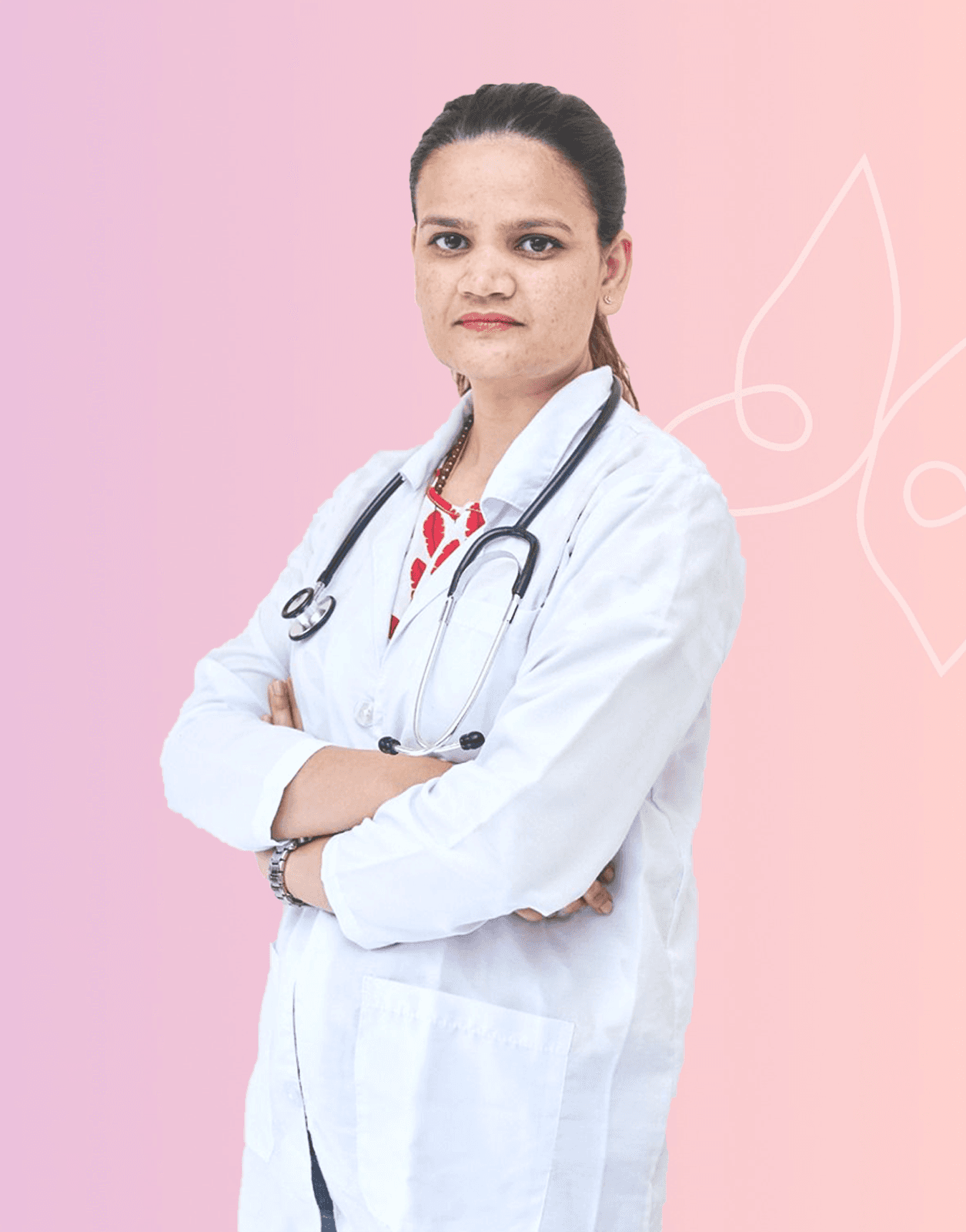
Dr. Akriti Bharati
Clinical Director & Chief IVF Specialist
Dr. Aakriti Bharati is a leading IVF and Fertility Specialist in Nepal, serving as Chief Infertility Specialist and Clinical Director at Vatsalya Natural IVF, Kathmandu. With extensive experience in reproductive medicine and infertility management, she has successfully treated 8,000+ fertility and IVF patients and is recognized for managing complex infertility cases with evidence-based and patient-centered care.
She leads a multidisciplinary team of 15+ fertility specialists and clinical doctors across Nepal, ensuring high standards of fertility care, clinical excellence, and advanced reproductive treatment protocols.
Why Patients Choose Dr. Aakriti Bharati
Dr. Aakriti Bharati is known for her expertise in IVF treatment, low AMH management, recurrent IVF failure, PCOS, endometriosis, and advanced fertility treatments. Her patient-focused approach, clinical leadership, and commitment to successful pregnancy outcomes have made her one of the most trusted fertility specialists in Nepal.
Dr. Nija Rajbhandari
Senior IVF Consultant
Dr. Nija Raj Bhandari is a Senior IVF Consultant at Vatsalya Natural IVF, Kathmandu, Nepal, with over 12 years of experience in infertility and reproductive medicine. She specializes in helping couples overcome fertility challenges through advanced, evidence-based fertility treatments and personalized care.
Dr. Bhandari has extensive experience in managing complex and high-risk fertility cases, including recurrent IVF failure, multiple failed IVF cycles, recurrent pregnancy loss, low AMH, poor ovarian reserve, PCOS, male factor infertility, unexplained infertility, and advanced maternal age. Her expertise includes IVF, ICSI, fertility preservation, ovulation induction, and individualized fertility treatment planning.
Having successfully managed numerous challenging fertility cases, Dr. Bhandari is recognized for her patient-centered approach, clinical expertise, and commitment to achieving the best possible outcomes. She combines advanced reproductive medicine with compassionate care, guiding patients through every stage of their fertility journey with confidence and trust.
At Vatsalya Natural IVF, she remains dedicated to providing ethical, high-quality fertility care and helping couples achieve their dream of parenthood through world-class reproductive treatments.
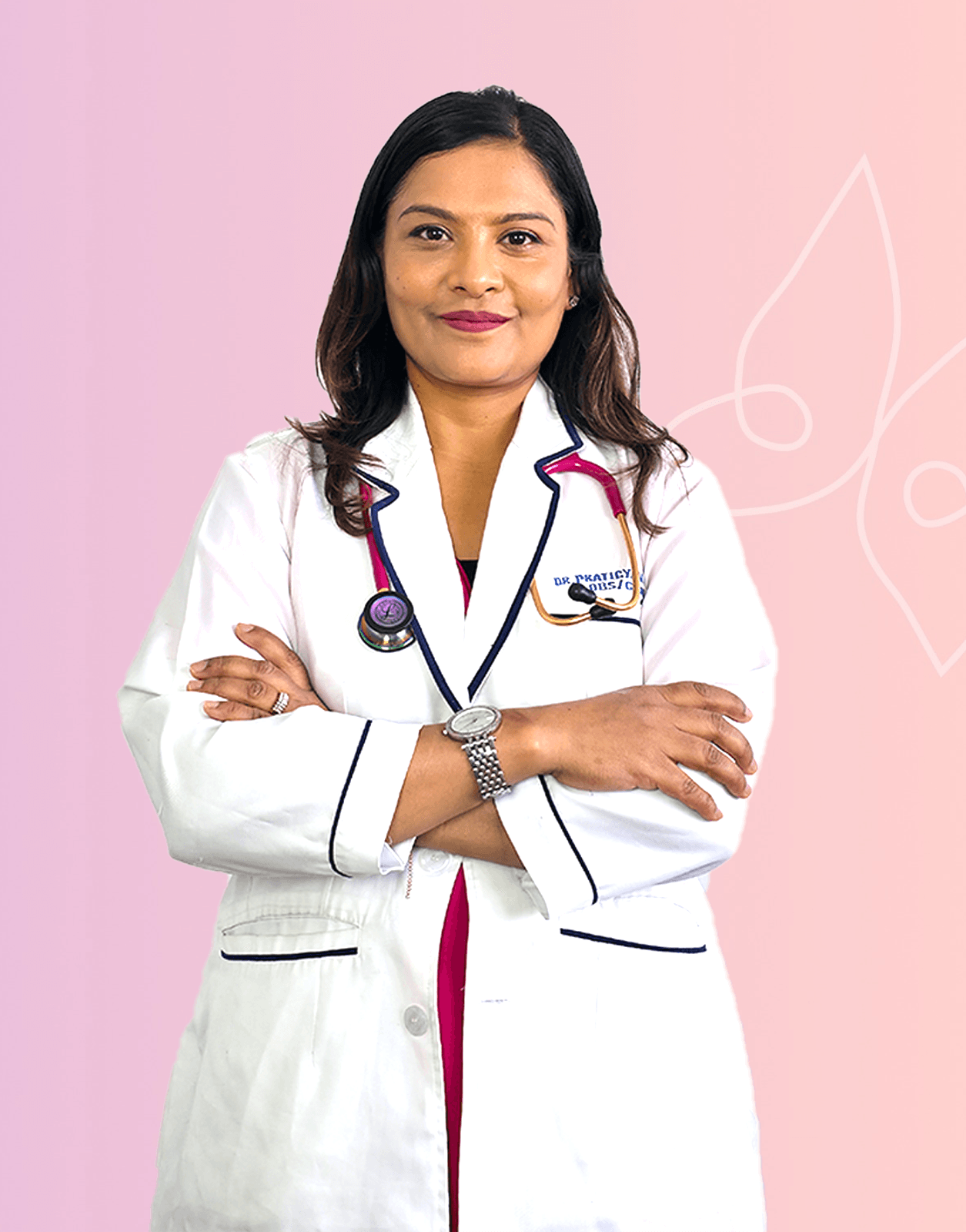
Dr. Pratikshya Pandey
Senior Infertility Specialist
Dr. Pratikshya Pandey is a leading fertility specialist with over 15 years of experience in treating infertility and reproductive health conditions. She specializes in IVF, IUI, egg freezing, and advanced fertility treatments, helping countless couples achieve their dream of parenthood.
Dr. Lata Shrestha
Senior IVF Consultant
Dr. Lata Shrestha is the Chief IVF Consultant at Vatsalya Natural IVF, Kathmandu, with over a decade of experience in fertility care, obstetrics, and gynecology. She completed her MBBS from Nepal Medical College, Kathmandu, MD in Obstetrics & Gynaecology from Manila, Philippines, and a Fellowship in Reproductive Endocrinology & Infertility from Hegde Hospital & Fertility Centre, Hyderabad, India. She is registered with the Nepal Medical Council (NMC No. 9138).
Dr. Lata Shrestha – A Trusted Name in Fertility and Reproductive Health in Nepal
Dr. Lata Shrestha specializes in IVF, ICSI, Low AMH and poor ovarian reserve management, PCOS/PCOD-related infertility, recurrent IVF failure, recurrent pregnancy loss, male and female infertility, advanced maternal age fertility care, fertility preservation, and high-risk pregnancy management.
Why Choose Dr. Lata Shrestha?
With international training and expertise in modern IVF and reproductive medicine, Dr. Lata Shrestha is trusted for managing complex fertility challenges. She combines advanced fertility technologies, evidence-based treatment protocols, and personalized care to optimize patient outcomes. Her expertise in Low AMH, PCOS/PCOD, recurrent IVF failures, male infertility, and high-risk pregnancies has helped countless couples move closer to their dream of parenthood.
Committed to continuous innovation, Dr. Lata Shrestha stays at the forefront of evolving fertility treatments and works closely with the Vatsalya team to adopt advanced reproductive technologies and modern fertility solutions that support improved clinical outcomes and enhance the patient experience.
Dr. Husneyara Haque
Fertility Specialist
Dr Husneyara Haque is a highly respected figure in advanced reproductive medicine and fertility management. Known for her systematic and deeply compassionate approach, she has built an outstanding reputation for excellence in patient care. Her extensive experience covers the full spectrum of women’s health, where she seamlessly balances her role as a practising specialist with her passion for teaching and mentoring the next generation of medical professionals.
Her strong clinical foundation is backed by rigorous training and advanced specialisations. After earning her MBBS and MD in Obstetrics & Gynaecological care, Dr Haque pursued specialised, advanced training in IVF protocols and hysteroscopy. This precise skillset allows her to perform complex diagnostic and therapeutic procedures, optimising treatment cycles to give her patients the highest possible chance of success.
As an active voice in the medical community, Dr Haque regularly participates in national and international fertility conferences to stay at the absolute forefront of reproductive technology. Today, she brings this world-class, evidence-based expertise directly to our patients at Vatsalya, combining top-tier science with an individualised approach that puts families completely at ease.
Embr. Suresh Yadav
Senior Clinical Embryologist
Suresh Yadav is a leading Clinical Embryologist in Nepal, serving as the Senior Clinical Embryologist at Vatsalya Natural IVF, Kathmandu . With extensive experience in clinical microbiology and Assisted Reproductive Technology (ART) , he has successfully guided 14,000+ specialized ICSI procedures and is recognized for managing advanced laboratory protocols with strict quality assurance and evidence-based care .
He leads a highly sophisticated embryology laboratory team , managing the precise screening of 17,000+ oocytes and the cryopreservation of 16,000+ embryo straws , ensuring the highest standards of clinical excellence and advanced reproductive treatment protocols.
Why Patients Choose Suresh Yadav
Suresh Yadav is known for his expertise in fresh and frozen embryo transfers, oocyte vitrification, complex PESA/TESA/TESE ICSI procedures, and comprehensive andrology management. His technical precision, decorated academic record as a class-topping microbiologist, and past recognition as Employee of the Year have made him one of the most trusted embryology experts in Nepal.
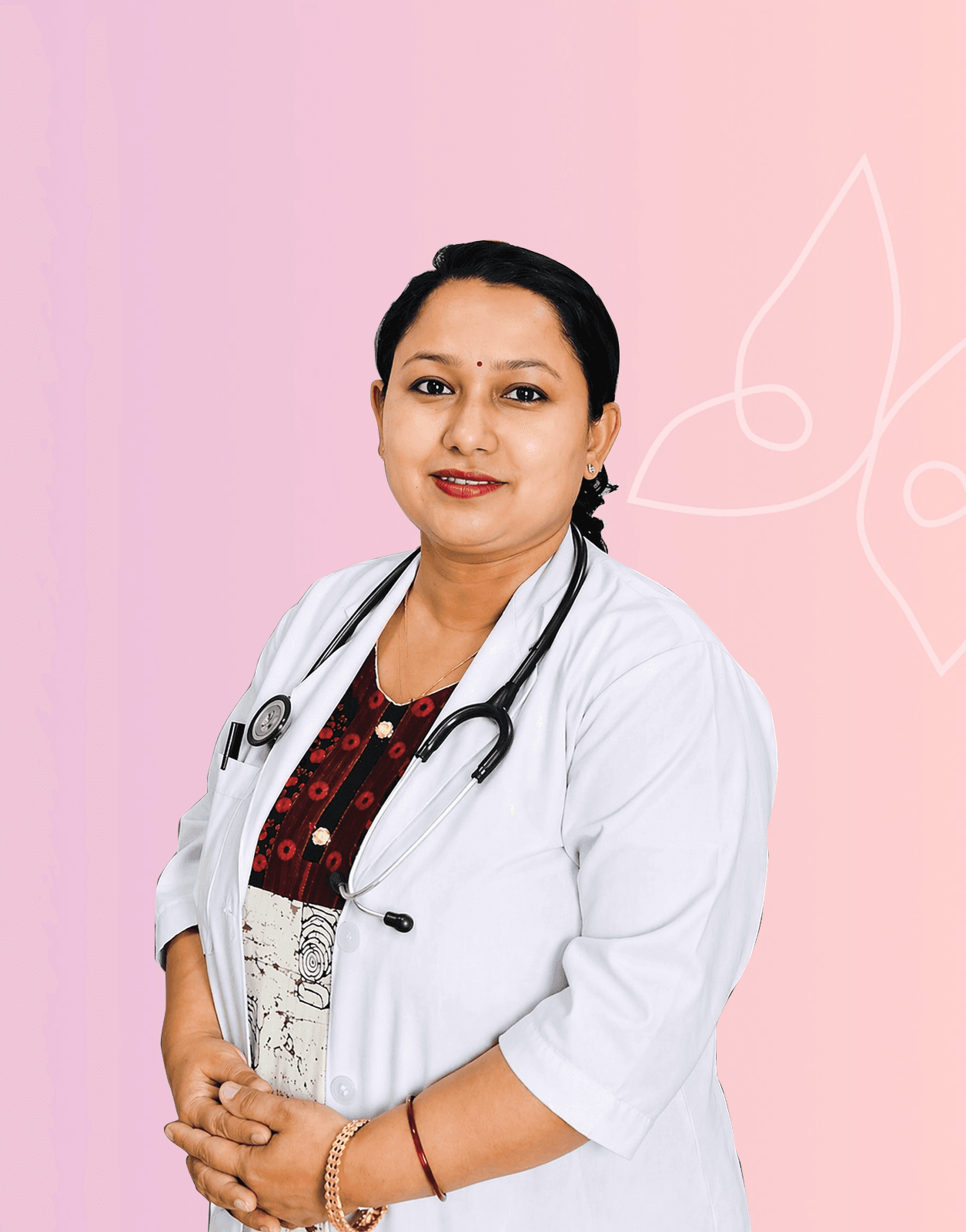
Dr.Tika Gurung
Fertility Specialist
Meet Dr Tika Kumari Gurung, our Senior Consultant Gynaecologist and IVF Specialist, who brings over 12 years of exceptional expertise in obstetrics, gynaecology, and infertility management to our Pokhara clinic.
Dr Gurung’s stellar clinical experience is backed by rigorous academic and specialised training. After earning her MBBS and MD in Obstetrics and Gynaecology, she completed a prestigious Fellowship in Assisted Reproductive Technology (ART) to specialise in advanced fertility care. Always looking to expand her impact, she has also undertaken specialised training in Comprehensive Abortion Care, Faculty Development, and Health Responses to Gender-Based Violence.
Her distinguished career spans key medical and academic institutions across Nepal. Before leading the team at Vatsalya Pokhara, she served as a dedicated Obstetrician and Gynaecologist at the renowned Paropakar Maternity Hospital in Kathmandu and shaped the next generation of medical professionals as an academic faculty member at Gandaki Medical College.
Beyond the clinic walls, she is a passionate advocate for women’s health, actively leading community-level initiatives to spread vital fertility awareness and empower women with the knowledge they need.
Dr.Bidhya Mahto
Fertility Specialist
Meet Dr Bidya Mahato, a Consultant Obstetrician, Gynaecologist, and Fertility Specialist who pairs deep clinical expertise with cutting-edge surgical skill.
Dr Mahato is highly specialised in advanced reproductive medicine, possessing top-tier training in minimal invasive and laparoscopic surgery, as well as a Diploma in Gynaecology, Laparoscopy, Hysteroscopy, and Urogynecology. An expert in customising fertility protocols, she has also completed a master class in ovulation induction for both IUI and IVF, ensuring that her patient treatments are precisely tailored for the highest chances of success.
Her clinical journey is marked by dedicated institutional care. Before joining our team, she spent over two and a half years serving as a consultant obstetrician, gynaecologist, and fertility specialist in Kathmandu. For the past year and a half, she has been bringing her specialised, tech-forward expertise to Vatsalya Natural IVF. Balancing extensive surgical precision with a modern approach to reproductive health, Dr Mahato provides our patients with comprehensive, world-class care from diagnosis to successful treatment.
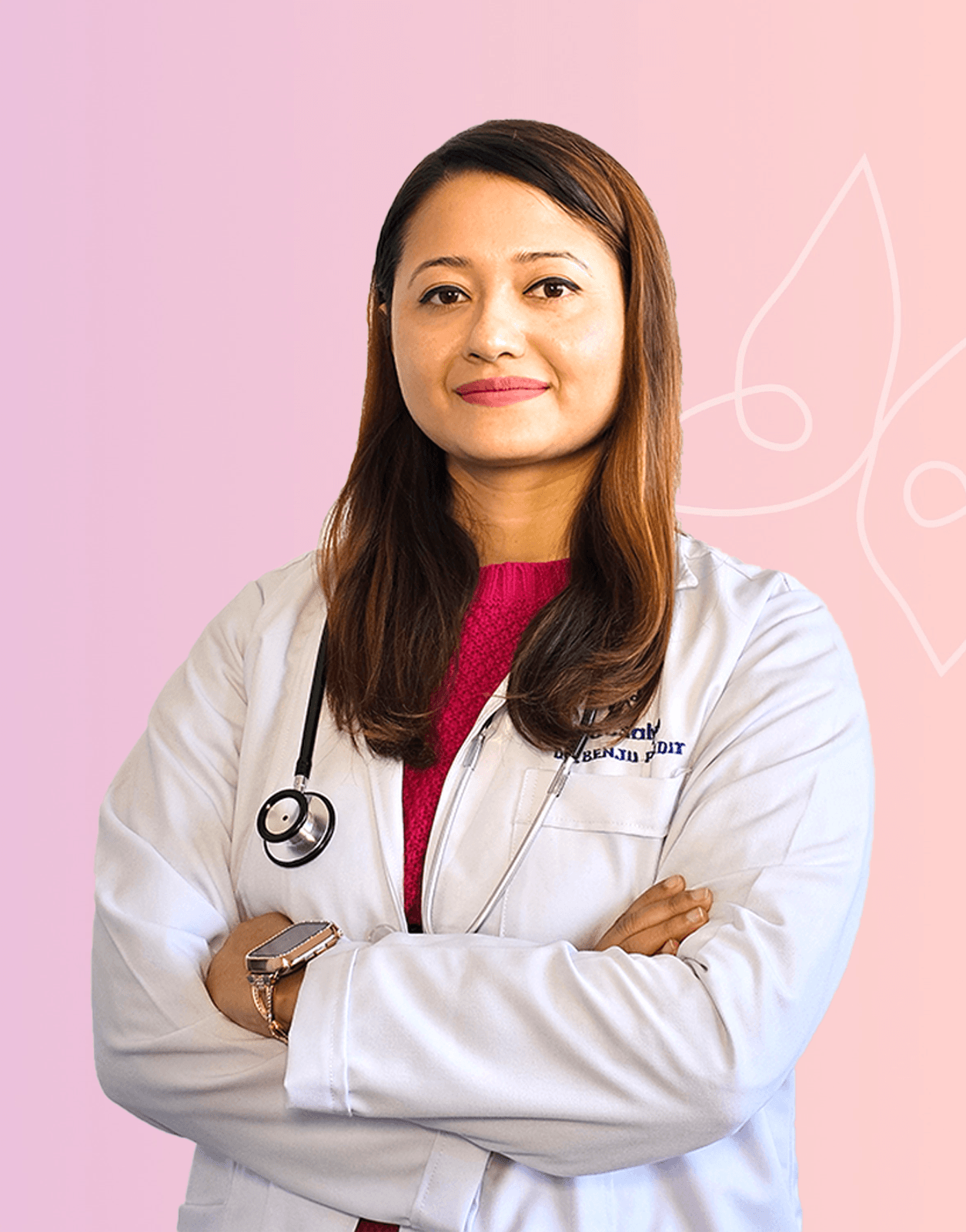
Dr.Benju Pandit
Fertility Specialist
Meet Dr Benju Pandit, a highly accomplished Consultant Obstetrician, Gynaecologist, and Fertility Specialist who brings award-winning clinical expertise and rigorous academic dedication to our team. Dr. Pandit’s technical precision is backed by exceptional academic credentials and elite specialised training. After earning her MBBS from Tribhuvan University and her MD in Obstetrics & Gynaecology from the National Academy of Medical Sciences (NAMS), she pursued advanced training in Assisted Reproductive Technology (ART) in India. To ensure the most comprehensive care possible for her patients, she has also completed specialised certifications in Maternal Perinatal Death Surveillance Response (MPDSR), Family Planning, Comprehensive Abortion Care (CAC), and Trauma Life Support. Her distinguished career spans vital roles across major institutional, governmental, and academic healthcare sectors in Nepal. She previously served as a Consultant for the Government of Nepal and shaped future medical professionals as a Lecturer at Birat Medical College and Teaching Hospital. Today, she brings this wealth of experience directly to our patients at the Vatsalya Purbanchal Clinic in Biratnagar. A highly celebrated voice in her field, Dr Pandit is the proud recipient of the prestigious AOFOG Young Gynaecologist Award (YGA) 2026 from the Nepal Society of Obstetricians and Gynaecologists (NESOG). She was also honoured with the Shree Tilak Bhavan Award 2021 for publishing the best scientific research paper in the Nepal Journal of Obstetrics and Gynaecology (NJOG). She seamlessly blends award-winning global science with a warm, patient-centred approach that guides families safely through their fertility journeys.
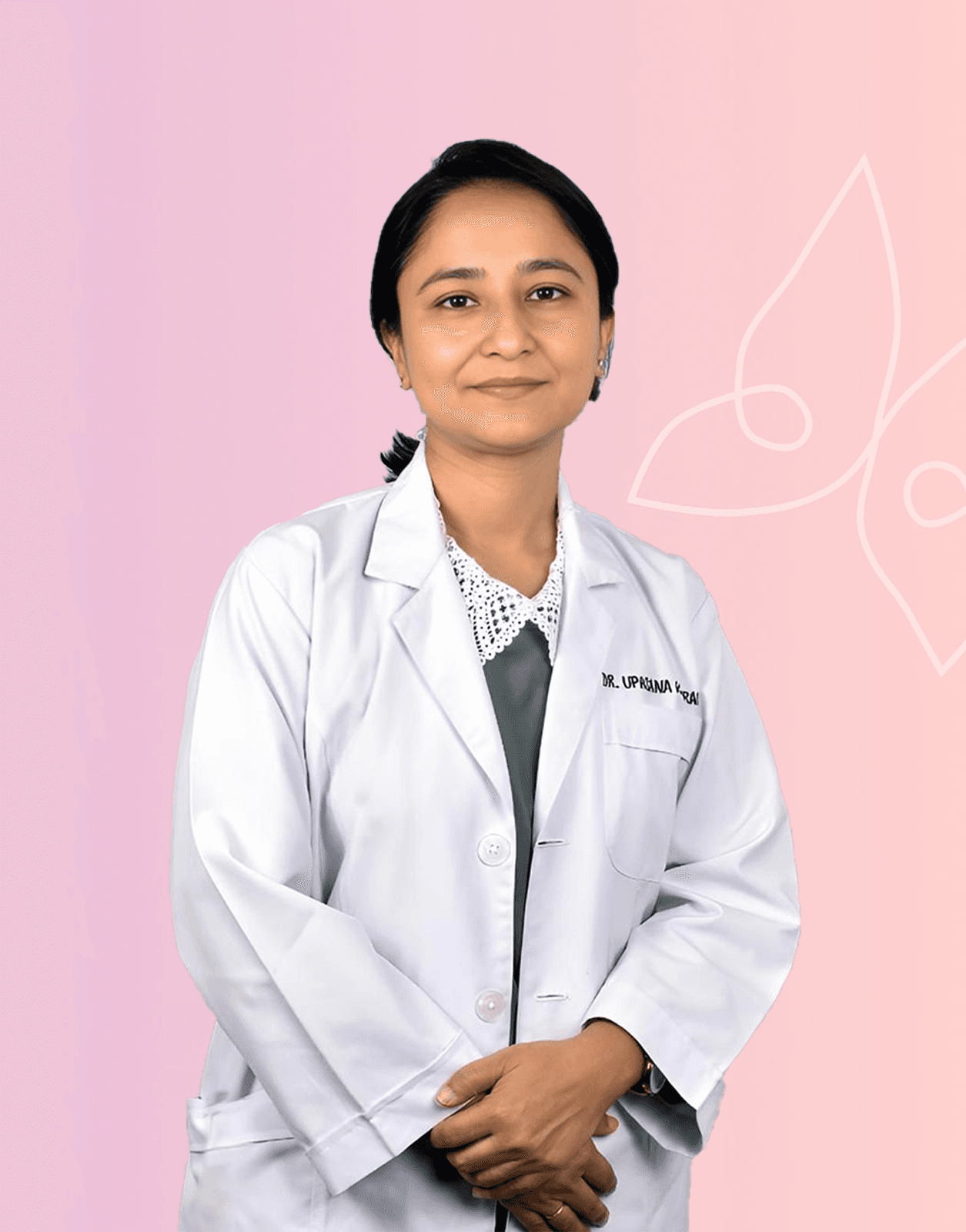
Dr.Upasana Koirala
Fertility Specialist
Dr Upasana Koirala is a powerhouse in the field of advanced fertility care. Having directly managed over 1,000 complex infertility cases, she has earned a stellar reputation for her systematic, evidence-based approach, particularly when it comes to customising treatment plans and optimising cycles for previously failed IVF attempts. Her deep medical versatility is backed by years of managing high-risk obstetrics and intricate gynaecological cases across prominent medical institutions, including B&C Medical College, Nobel Medical College, and Koshi Zonal Hospital.
Her elite qualifications cross the spectrum of reproductive science. After earning her MBBS and MD/MS in Obstetrics & Gynaecology, she completed a prestigious Fellowship in Reproductive Medicine & IVF in India. Always striving for complete mastery of her craft, she has also undertaken advanced training in clinical embryology, Assisted Reproductive Technologies (ART), and holds specialised certifications in reproductive ultrasound, IUI, and clinical andrology.
Dr Koirala regularly participates in global fertility forums to keep her practice at the absolute cutting edge. Guided by a deeply patient-centred philosophy, she frequently steps outside the clinic to champion community health, leading reproductive education initiatives and volunteering her expertise at free health camps for women across the region.
Dr.Babita Thapa
Fertility Specialist
Meet Dr Babita Thapa , a dedicated and highly capable medical professional who pairs strong clinical training with an exceptional academic track record.
Dr Thapa’s medical journey is built on a foundation of academic excellence. She completed her MBBS from Kathmandu University in Nepal Medical College, graduating with first-division honours. She further sharpened her practical clinical skills through an intensive, year-long internship at the Nepal Medical College Teaching Hospital. Always striving to stay ahead in comprehensive patient care, Dr Thapa has actively expanded her clinical toolkit through specialised seminars and advanced programs. She completed the Advanced Life Support in Obstetrics (ALSO) training at Patan Hospital, alongside specialised training in the Community-Based Integrated Management of Childhood Illness (CB-IMCI). Her well-rounded training spans critical field exposure at family planning centres and community health programs, ensuring she approaches healthcare with a deep sense of community empathy. Beyond her technical capabilities, Dr Thapa is known for her strong leadership skills, having served as a school prefect and actively participating in community organisations like the Nepal Red Cross Society. Effortlessly multilingual in Nepali, English, and Hindi, she blends top-tier medical knowledge with an engaging, communicative approach that builds immediate trust with her patients.
Dr.Subha Shrestha
Fertility Specialist
Meet Dr Subha Shrestha, a Consultant Obstetrician, Gynaecologist, and Reproductive Medicine & IVF Specialist who brings an incredible 15-year legacy of clinical excellence to our team.
Dr Shrestha is a powerhouse in the field of fertility. She has directly managed over 1,000 complex infertility cases, earning a stellar reputation for turning things around even in previously failed IVF cycles. Her approach is perfectly systematic, deeply evidence-based, and focused entirely on customised cycle optimisation for every unique patient. Beyond her direct fertility work, she possesses extensive institutional experience managing high-risk obstetrics and complex gynaecological cases from her tenures at Lumbini Medical College and the College of Medical Sciences, Bharatpur.
Her elite medical expertise is backed by rigorous training from top-tier institutions in Nepal and India. After completing her MBBS and MD from Kathmandu University, she accomplished a prestigious Fellowship in Reproductive Medicine & IVF at Indira IVF in India. Always staying ahead of the curve, she has completed advanced certifications in Reproductive Endocrinology and Infertility with the American College of Obstetricians and Gynaecologists (ACOG), Advanced Life Support in Obstetrics, and safe abortion services.
Today, as an active member of the Nepal Society of Obstetricians and Gynaecologists (NESOG), Dr Shrestha regularly participates in global fertility forums to bring the latest medical advancements to her patients. True to her patient-first philosophy, she frequently steps outside the clinic walls to lead reproductive health education initiatives and volunteer at free women's health camps across the community.
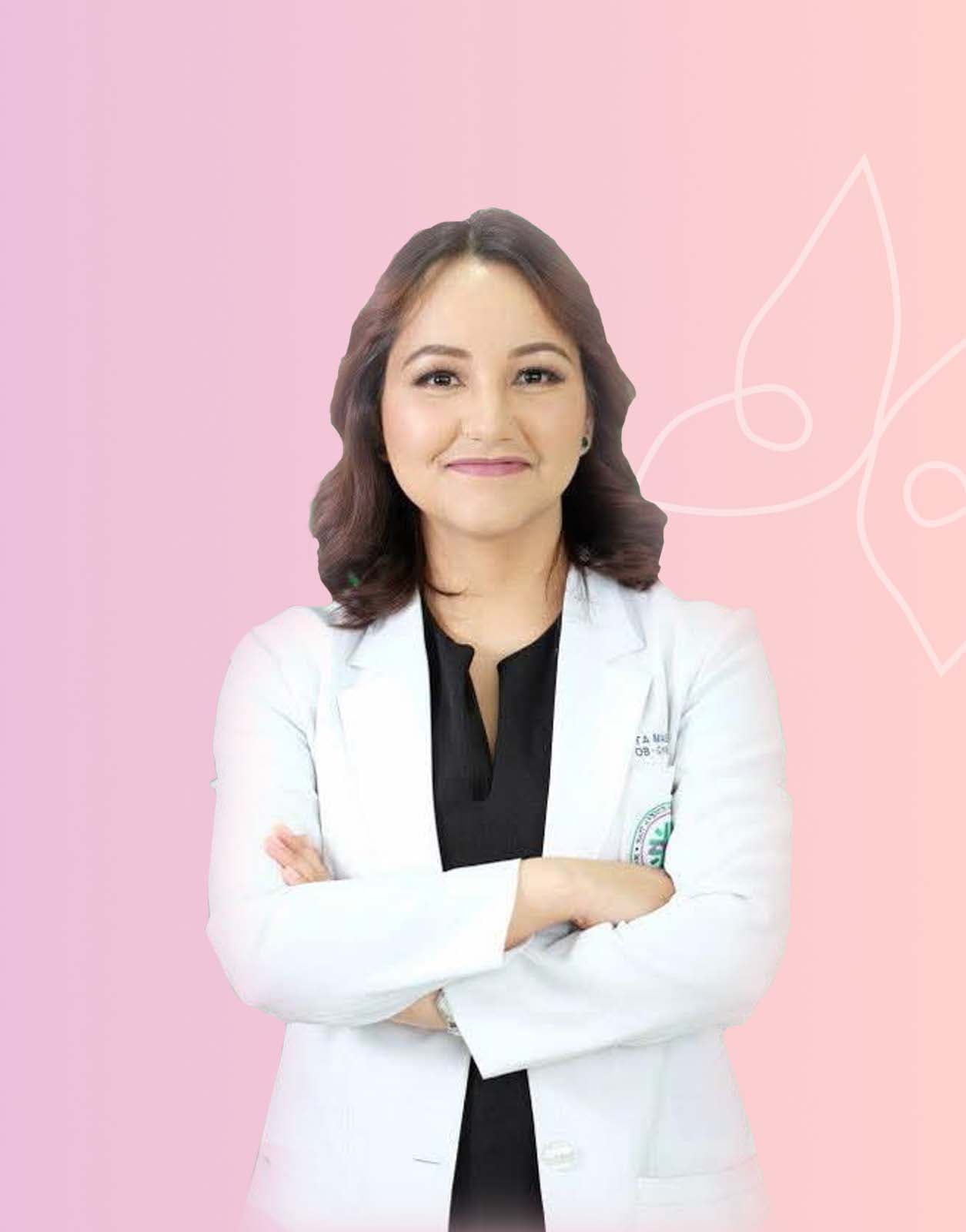
Dr. Sanjeeta Malla
Fertility Specialist
Meet Dr Sanjita Malla, a Consultant Obstetrician, Gynecologist, and Infertility Specialist who combines global training with nearly a decade of clinical excellence in advanced reproductive health.
Dr Malla’s technical expertise spans advanced fertility treatment and specialised gynaecological surgery. Following her MBBS from Kathmandu University and a rigorous four-year residency in Obstetrics and Gynaecology in the Philippines, she sought out premier international hubs to elevate her practice. She completed a prestigious 12-month Fellowship in Advanced ART and Reproductive Medicine in India, alongside a specialized Fellowship in Minimal Access Surgery.
Her distinguished institutional background includes vital roles across Kathmandu’s premier healthcare facilities.
An active member of professional bodies like the Nepal Society of Obstetricians and Gynaecologists (NESOG), Dr Malla is dedicated to providing evidence-based, customised care that combines international fertility standards with a compassionate, patient-first philosophy.
Dr.Sulochana Parajuli
Sr. Embryologist
Meet Sulochana Parajuli, a highly skilled Embryologist who seamlessly bridges the worlds of advanced reproductive science and clinical microbiology.
Sulochana brings robust laboratory expertise to our team, specialising in core IVF procedures including ICSI, embryo culture, oocyte thawing, and cryopreservation. Her meticulous attention to detail ensures top-tier quality assurance and documentation standards throughout the cultivation and transfer processes.
Her technical precision is anchored by an impressive academic foundation. After earning her MBBS, she completed her MD in Microbiology from Manipal College of Medical Sciences, where her focused research on reproductive health trends added valuable insight to the field. She is also a published researcher, with her work featured in prominent scientific platforms like PubMed and the Indian Journal of Clinical Biochemistry.
Sulochana’s career reflects a strong commitment to patient-centred care and community health, having previously served as a Medical Officer and frequently volunteering her time at local health camps and awareness drives. Fluent in Nepali, English, and Hindi, she pairs her elite clinical capabilities with a warm, communicative approach.
How we work
Guiding You Through Every Step with Compassion & Care

%201.jpg&w=1080&q=75)
Book Your Appointment
Kickstart your journey by setting up an appointment with our fertility experts. We’ll listen to your story, understand your concerns, and plan the best way forward for you.
%201.jpg&w=1080&q=75)
Get Checked & Understand Your Options
We do important health checkups and tests to get a clear picture of your fertility. Our experts will explain everything in simple terms, so you know what’s next and feel confident moving forward.
%201.jpg&w=1080&q=75)
Start Your Treatment with Care
Based on your results, we’ll start the best treatment for you—whether it’s a natural approach or an advanced fertility option. Our focus is on making the process smooth, safe, and as stress-free as possible.
%201.jpg&w=1080&q=75)
Stay Supported Every Step of the Way
Your journey doesn’t stop after treatment. We’ll be with you for follow-ups, emotional support, and guidance for the future, making sure you feel cared for at every stage.

WHEN TO VISIT
Signs You Should See a Fertility Specialist
- Couples who cannot conceive naturally
- Couples with recurrent pregnancy losses
- Couples carrying genetically inherited disorders
- Men with fertility issues
- Women having problems conceiving due to ovarian causes
- Couple suffering from STDs
- Cancer patients who want to preserve their eggs
.png&w=1080&q=75)
.png&w=1080&q=75)
.png&w=1080&q=75)
Bringing hope, joy, and new beginnings—Vatsalya has helped 16,000+ families with successful treatment. Your journey to parenthood starts here
.png&w=256&q=75)
.png&w=256&q=75)




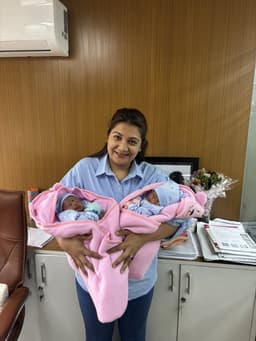
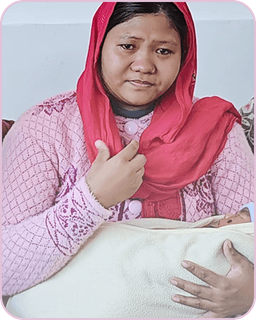
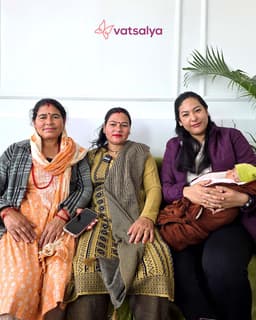

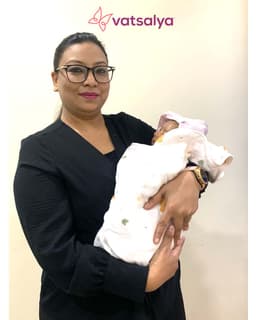

Bringing hope, joy, and new beginnings—Vatsalya has helped 16,000+ families with successful treatment. Your journey to parenthood starts here

Testimonial
Voices of Our Valued Patients
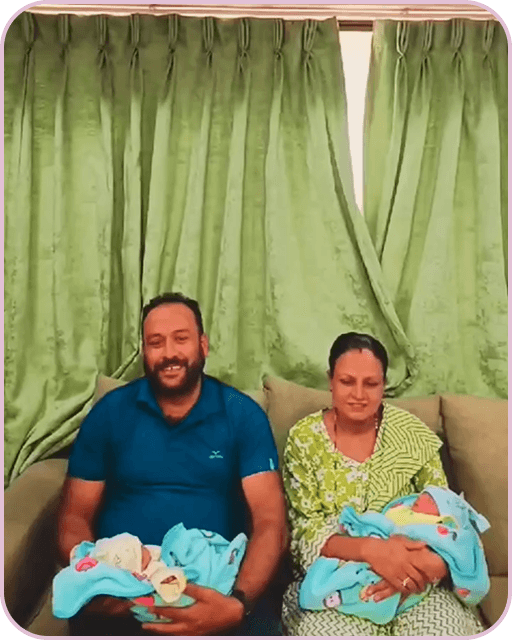
After being diagnosed with low sperm count, we felt hopeless and emotionally drained. Then we found Vatsalya IVF and met Dr. Nija Rajbhandari. Her confidence and clarity gave us new hope. The entire team was supportive, professional, and genuinely caring. Thanks to their expertise and encouragement, we welcomed our baby boy after a successful IVF cycle. Vatsalya is truly the best IVF center in Nepal – our lives are forever changed!
Sujan & Manju Karki
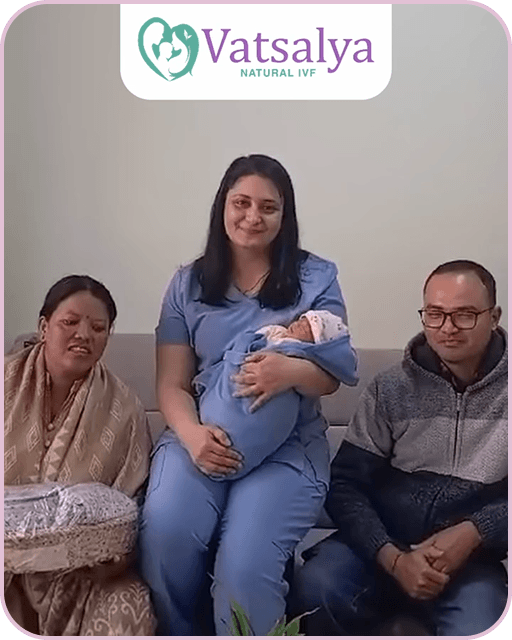
We struggled with infertility for years due to my husband's low sperm count. We had almost given up until we came to Vatsalya IVF. Dr. Nija Rajbhandari listened to us with compassion, explained every step, and designed a treatment plan tailored to our situation. The entire process—from IVF to embryo transfer—was handled with such care and precision. Today, we are holding our little miracle in our arms. We’re forever grateful to Dr. Nija and her amazing team for making our dream come true!
Anita & Rabin Shrestha
.png&w=828&q=75)
After being diagnosed with low sperm count, we felt hopeless and defeated. Many people told us IVF might not work, but then we found Vatsalya IVF and Dr. Nija Rajbhandari. From the very first consultation, she gave us hope and confidence. The care, professionalism, and advanced techniques used by the team were outstanding. Thanks to Dr. Nija and the skilled embryologists, we are now proud parents of a healthy baby boy. Vatsalya truly lives up to its name – it gave us a new life. Highly recommended to any couple struggling with infertility!
Sagar & Meera Thapa
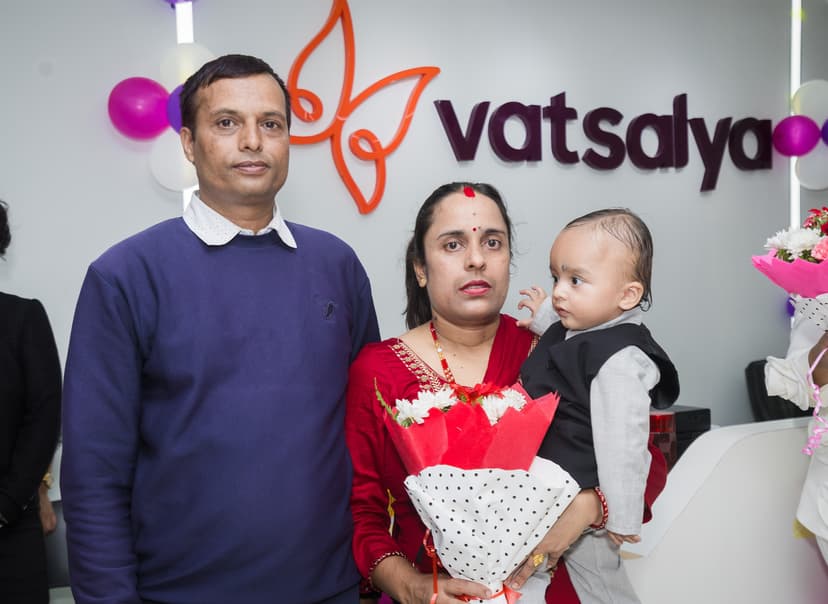
For five years, we faced heartbreak after heartbreak, trying every possible treatment without success. The emotional and physical toll was overwhelming, and we were close to giving up. Then we found Vatsalya. From the very first consultation, we felt a renewed sense of hope. The doctors were not only experts in fertility care but also compassionate guides who truly understood our pain. Every step of the journey was personalized, and the unwavering support we received made all the difference. Today, as we hold our little one in our arms, we know that choosing Vatsalya was the best decision we ever made.
Ramesh & Sita
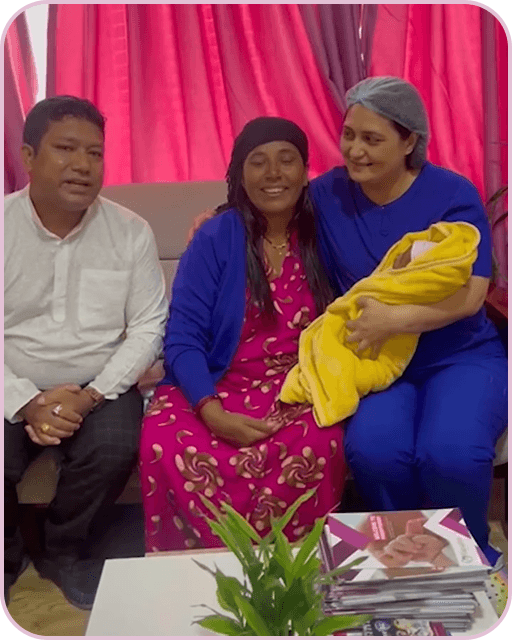
After experiencing several miscarriages caused me a lot of anxiety. Vatsalya takes care of you like family. They never let miss an appointment and make you feel really supported and comfortable. All these years of hopping from one clinic to another, finally I did find my solution in Vatsalya.
Nirmal Karki

If I have to describe Vatsalya, I would choose transparent and efficient. Incredible management and friendly atmosphere, exactly what an infertility agents needs, and that's what Vatsalya provides. The staff make you feel so welcome and develop complete faith in the treatment and yourself.
Umesh Shrestha


Answers to Your Fertility Questions
What is infertility?
+It is a condition of the reproductive system in which the couples are unable to conceive even after trying for more than a year without the use of any type of contraceptives.
Is infertility primarily a woman's problem?
+It is a common assumption that infertility is primarily related to the woman. In reality, only one-third of infertility cases are related to the woman alone. Statistically, one-third of infertility problems are related to men and the remaining one-third is a combination of fertility factors involving both partners or due to unknown causes. Unknown causes account for approximately twenty percent of infertility cases.
Does age have any role on infertility?
+Age affects the ability to conceive and have a healthy baby. Age is the single biggest factor affecting a woman’s fertility. For men, age-related fertility decline is more subtle but does happen. A woman’s fertility starts to decline in her early 30s, with the decline speeding up after 35.
What is IUI process?
+IUI stands for intrauterine insemination. It is one of the common techniques of ART (Assisted Reproductive Technology). In this process, the processed (washed) sperm is used and put directly to the female’s uterus. This process is matched with natural ovulating cycle.
बाँझोपन भनेको के हो?
+कुनै पनि गर्भरोधक साधनको प्रयोगबिना १ वर्षभन्दा बढी समय सम्म गर्भधारण गर्न नसकिएको अवस्था बाँझोपन हो ।
Latest News & Articles
12 May 2026
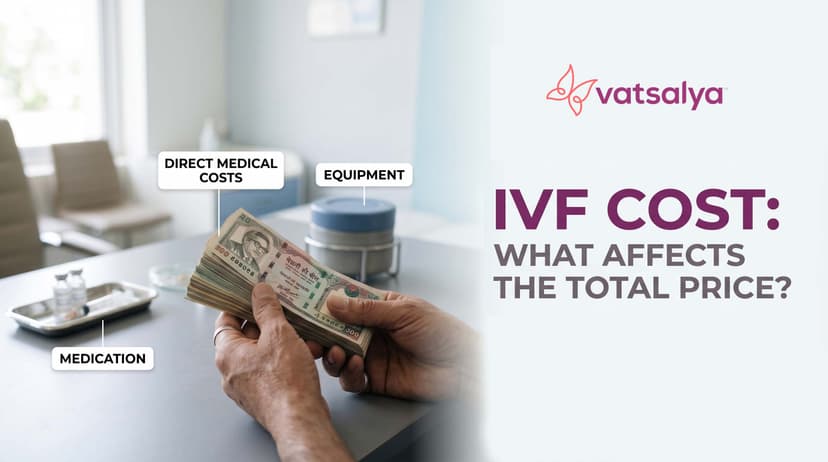
IVF Cost: What Affects the Total Price?
28 Apr 2026
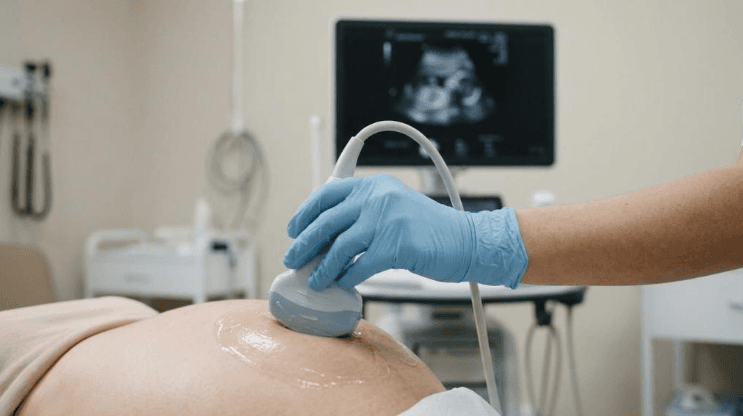
Antenatal Checkup and Prenatal Care
21 Apr 2026
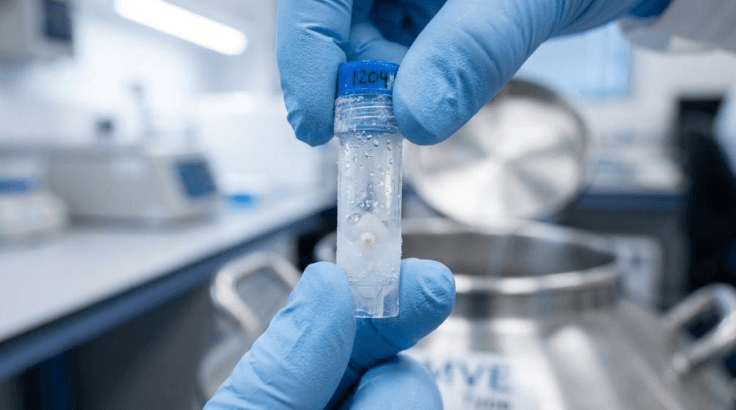
Endometriosis and Fertility Explained